Issues
New Fuels,
New Technologies,
New Pathways

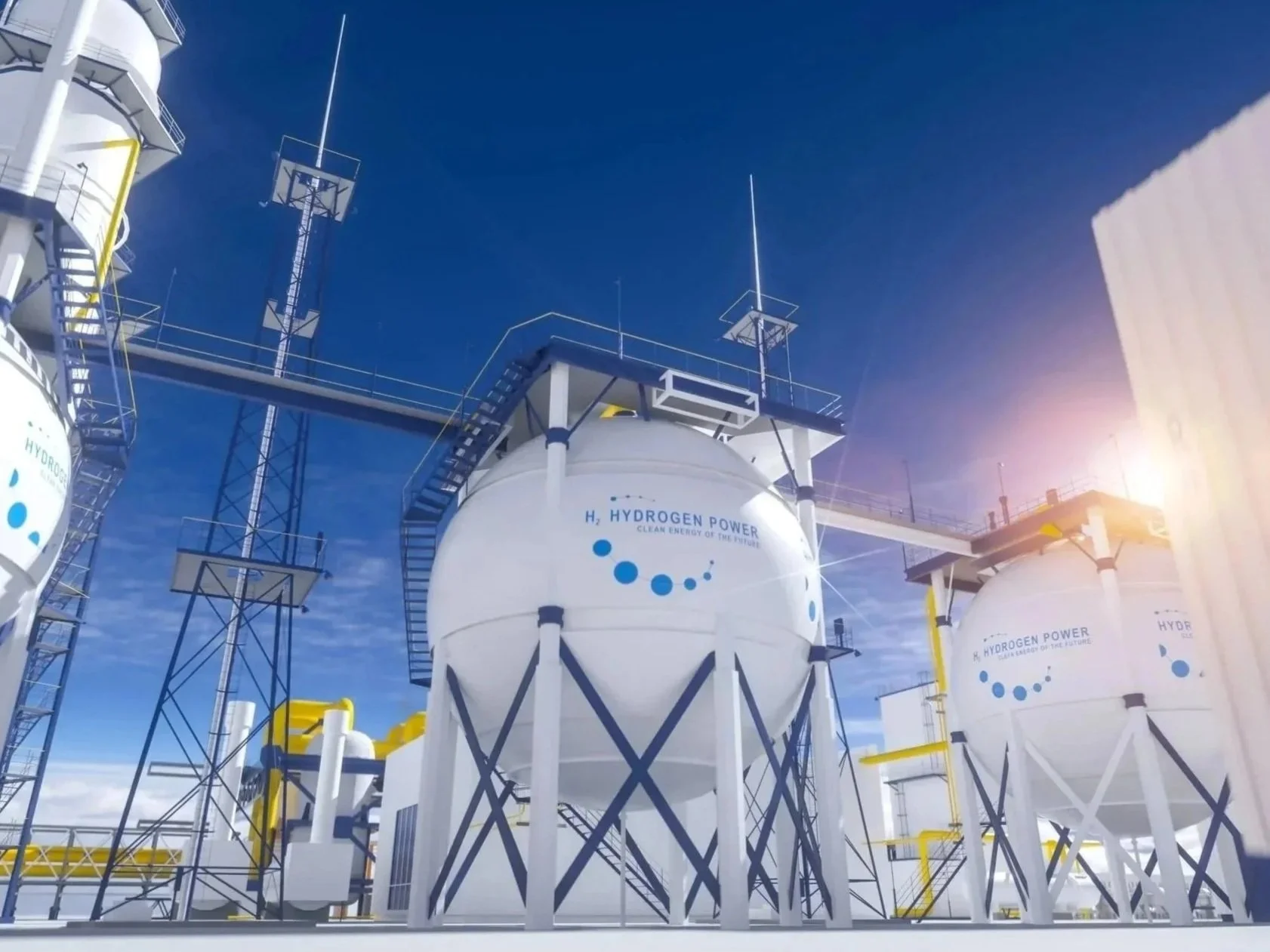
The Maritime Innovation Coalition works across the federal government to support the availability and adoption of strategic maritime fuels and related infrastructure.
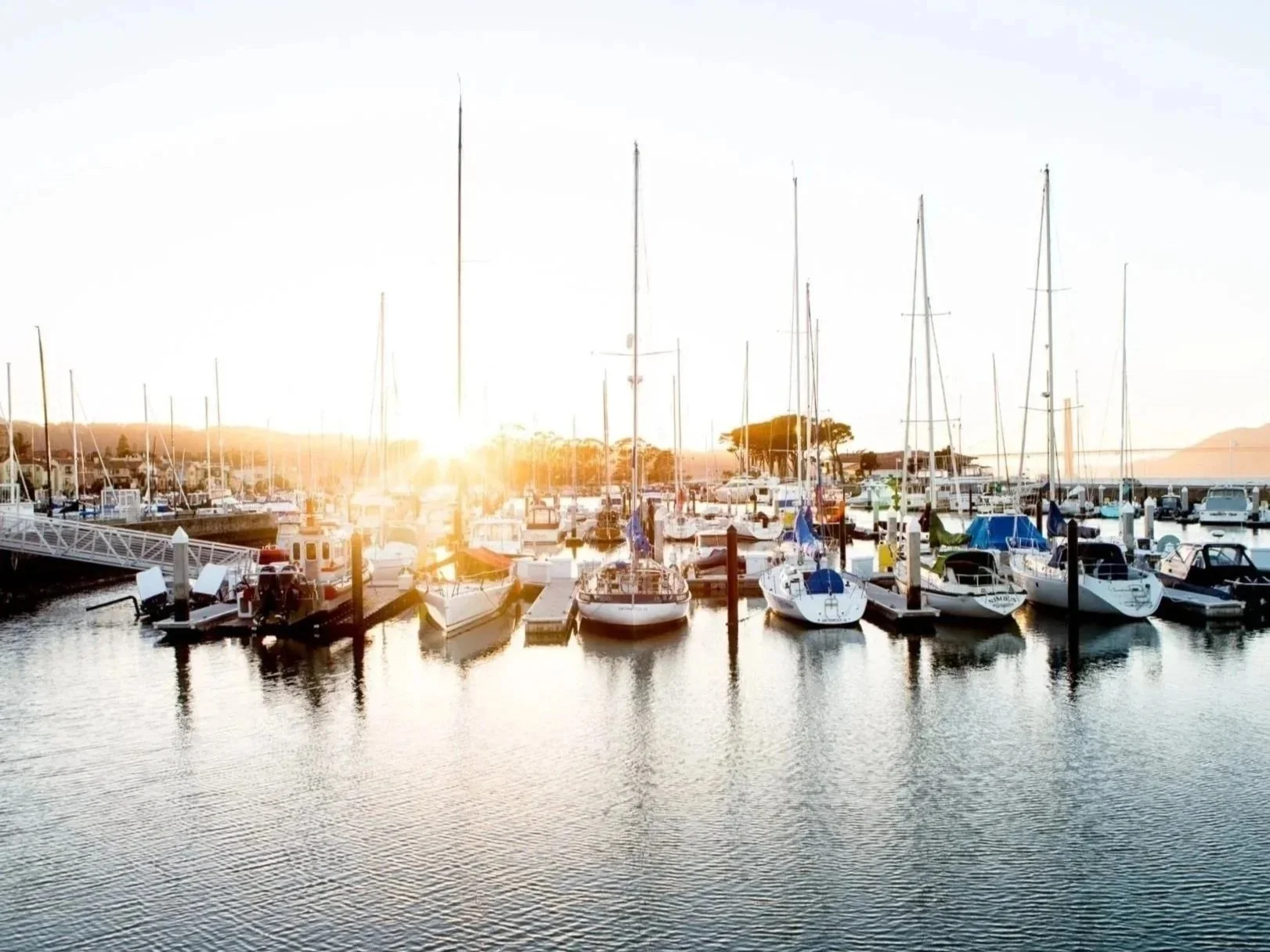
The United States must act to remain a maritime industry leader, including upgrading ports, marinas, and fueling infrastructure needed to produce and deliver strategic maritime fuels suitable for the maritime industry.
Addressing the Funding Imbalance
Despite the maritime sector’s economic significance—with shipping responsible for more than 80% of global trade—federal incentives for strategic maritime fuel innovation remain focused on other sectors.
It’s time for the U.S. government to make new investments in strategic maritime fuels, including the bunkering infrastructure required to serve ships from across the globe that arrive at our ports.

Policy Priorities
↓
Priority One
Harmonize and Orient Public Policy Opportunities to Benefit Maritime Technological Innovation and Infrastructure Investment
-
As a nation with a proud maritime heritage and cutting-edge innovation capacity, the United States is poised to realize economic opportunities from trends in vessel modernization and infrastructure recapitalization. However, the federal government must harmonize its research, tax and regulatory regimes to ensure that the United States maximizes and leads the world in realizing the economic upside in this sector.
-
Represent the industry’s collective value and commitment to the U.S. economy and national interest. Emphasize the benefits of federal government coordination in approaching maritime policy actions.
-
Through partnership with the U.S. Department of Energy and National Laboratories, support the release of the Maritime Fuels Grand Challenge, to include research and goals for domestic strategic maritime fuel production.
Share the industry’s economic contribution to the U.S. and global economy and help scope the economic opportunity of strategic maritime fuel adoption and diversification.
Raise awareness of the economic and national security importance of strategic maritime fuel production, distribution, bunkering and marina storage capacity.

Priority Two
Advocate for Tax Parity for Strategic Maritime Fuels
-
Current tax incentives leave gaps for maritime fuels. Strategic maritime fuel producers need tax parity to be competitive in the United States and globally.
-
Work with Congress and federal agencies to design and implement incentives for producing strategic maritime fuels.
-
Amend the Clean Fuels Production Tax Credit (45Z) or implementation guidance to apply to the production of strategic maritime fuels.
Amend the Renewable Fuels Standard to include maritime fuel as an eligible transportation fuel type.
Priority Three
Support Federal Investment for Strategic Maritime Fuels and Related Maritime Infrastructure
-
Compared to other sectors the U.S. federal research investment in the maritime industry has lagged despite the critical reliance on the sector for supply chain, global trade flows, and robust US recreational boat manufacturing.
-
Secure short-term and long-term federal appropriations for strategic maritime fuels and technologies.
-
Increase funding and modify language throughout the Department of Energy to include maritime fuels as a key research and analytical priority.
Increase funding at the Department of Transportation to support the U.S. Center for Maritime Innovation and the Port Infrastructure Development Program (PIDP).
-
Develop new policy concepts to drive adoption of strategic maritime fuels and fueling infrastructure.
Generate policy concepts akin to the Port Infrastructure Development Program to include other onshore infrastructure, fueling infrastructure, and other maritime technologies.
Design programs to support maritime innovation and increase the United States’ entrepreneurial ecosystem, including incubators and accelerators through the Department of Energy and the Department of Commerce.
Priority Four
Help Ports and Marinas Bunker and Distribute Strategic Maritime Fuels
-
To implement innovative maritime technologies effectively, ports and marinas require a better understanding of maritime fuel production and consumption.
-
Conduct ongoing analysis to understand the volumes, prices, and port/marina infrastructure required to utilize alternative maritime fuels with the goal of removing barriers to the availability and accessibility of strategic maritime fuels needed by industry.
-
Fuel Volumes
Refine the estimated volumetric consumption of fuels at U.S. ports and marinas (HFO, LNG, HVO, biofuels).
Estimated future volumetric needs of fuels of the future (methanol, ammonia, RNG, eFuels, advanced biofuels).
Price
Forecast fuel production based on the current tax environment (45V, 45Q) for strategic maritime fuels.
Port and Marina Infrastructure
Assess the readiness of ports and marinas to bunker and store strategic maritime fuels.
Estimate the cost of port fuel bunkering.
Estimate electricity load growth to electrify ports and port equipment.